Terroir
A Legacy between
Men and Nature
Our territory is embraced by the Apennine range and the Alps, in the southern part of Piedmont, in what all of Italy knows as “La Provincia Granda,” which is the province of Cuneo. Since 2014, the ‘Vineyard Landscapes of Langhe-Roero and Monferrato’ have been declared a UNESCO World Heritage Site.
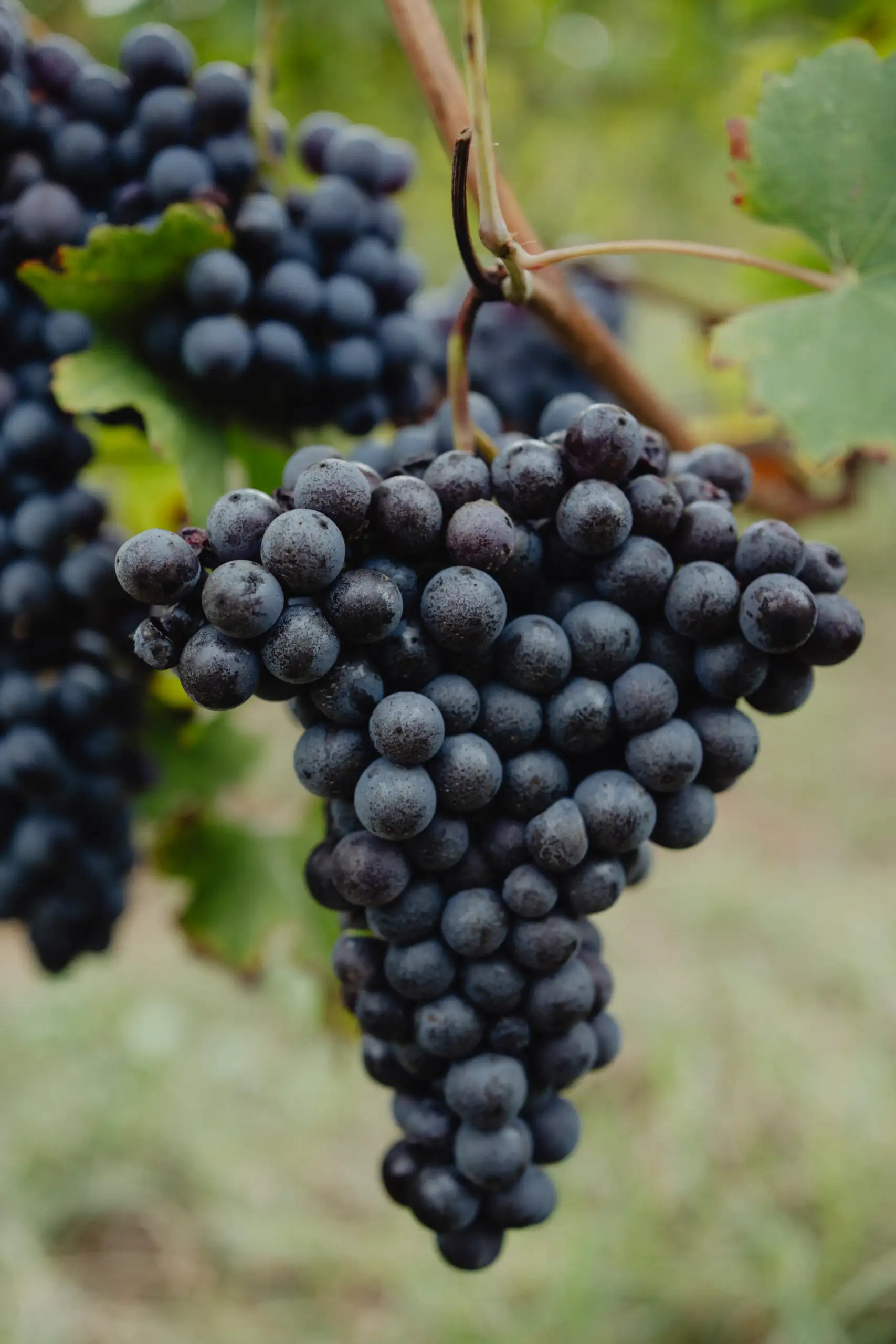
Taking the Tanaro River as a reference, which flows from the south towards the city of Asti, we have two distinct areas: up-north, the Roero area (characterized by a slightly warmer climate) and down the south, the Langhe, which reach as far as the Monferrato, the area of Dolcetto di Dogliani, and partly the Asti and the sweet Moscato denominations. Compared to the Roero, on average the Langhe side has a cooler and windier climate, with gentler hills and terroirs that are very, very different from each other. The Barbaresco area includes 4 communes: Barbaresco, Neive, Treiso, and Alba, which is part of it through the hamlet of San Rocco Seno d’Elvio. It was officially defined in 1966 with the recognition of the Denominazione di Origine Controllata (DOC) and in 1980, with the introduction of the Denominazione di Origine Controllata e Garantita (DOCG). Within it, there are 66 “Menzioni Geografiche Aggiuntive”, commonly known with the acronymous of MGA. An MGA refers to a more specific production area, officially defined within the production zone, better known in French as CRU or in English as SINGLE VINEYARD.
The strict rules and regulations which are defining the Barbaresco as wine generally are requiring the following characteristics:
Grape variety: nebbiolo 100%.
Yield per hectare: 8 tons of grapes, equal to 54.4 hectoliters or 7,253 bottles of 75 cl.
Aging: minimum 26 months starting from November 1st following the grape harvest, of which 9 months in wooden barrels.
Minimum alcohol content: 12,5% vol.
La specificazione “Riserva” può essere riportata in etichetta solo dopo 50 mesi di conservazione in cantina, calcolati sempre a partire dal 1novembre successivo alla raccolta delle uve. In etichetta, oltre alla denominazione Barbaresco e alla eventuale specificazione “Riserva”, possono poi comparire: Menzione Geografica Aggiuntiva (es. Barbaresco Giacone) oppure Vigna, ma solo se abbinata a una Menzione Geografica Aggiuntiva (es. Barolo Bussia – Vigna Colonnello).
Terroir characteristics
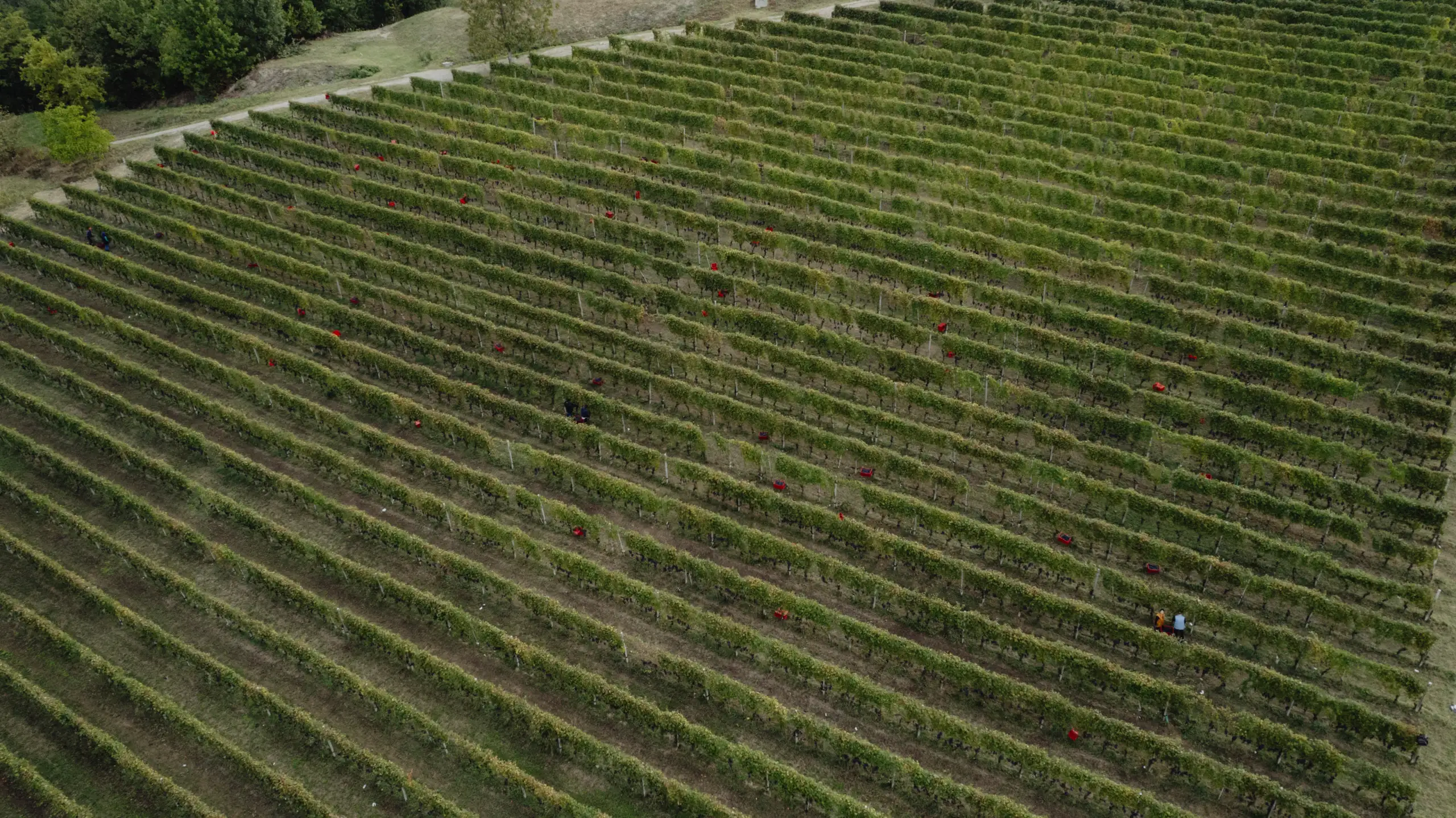
Generally speaking, in Barbaresco, the terroir is mainly of marine origin, as the entire area was covered by the sea millions of years ago. Over the millennia, this has created compact soils with several overlapping layers, also called Formations, which in this region are mostly known as Marne di Sant’Agata, interspersed with minerals to a lesser extent. The two elements that most define the elegant structure of Barbaresco, however, are silt and sand, which are more abundant if compared to the Barolo area. Within this soil two types of wine can be tasted, with very different characteristics: on one side a soil that we can call ‘young’ (with mainly steep slopes of lighter colors) which give birth to wines of less color and less fruit but more tannins; on the other hand the ‘older’ soil (which belong to the gentler hills and have a more reddish tone) instead give a deeper, more intense color and fruit sensation, with very pronounced and long-lasting tannins on the palate.
OUR MGA’s
giacone
Giacone is an MGA of approximately 90 hectares, with an altitude ranging from 230 to 460 meters above sea level. The wines from this vineyard, where Cascina Alberta has the chance to have 10 hectares of woodland and 10 hectares of vines, are generally recognizable for their good structure and a savory minerality.
Giacone stretches from what is called the 'Rocche di Massalupo' slope up to the hamlet called Castelletto, and within it, we can distinguish two areas: the first, facing south and southwest, features whiter soils and steeper ridges; the second, between what local experts remember as Cascina Basso and Cascina Basso Soprano, has a cooler exposure and gentler slopes. Close by and visible in all their majestic presence are what are commonly known as the 'Rocche dei Sette Fratelli,' magnificent formations of interest not only for their natural and geological significance.
To view the interactive map, you must accept marketing cookies.
serragrilli
Serragrilli is a vineyard in the municipality of Neive, visible in all its breadth if you’re driving down the road connecting the town to Castagnole Lanze, and it has an altitude ranging from 210 to 270 meters above sea level. The municipality has about 47 wineries and a total of 20 MGA. The total area of Serragrilli is approximately 86 hectares and is generally characterized by light soils and good slopes, which produce more harmonious and less vigorous wines. Cascina Alberta has a tiny parcel of about 0.3 hectares.
To view the interactive map, you must accept marketing cookies.
To view the interactive map, you must accept marketing cookies.